
Why does art funding act like creativity expires at 30?
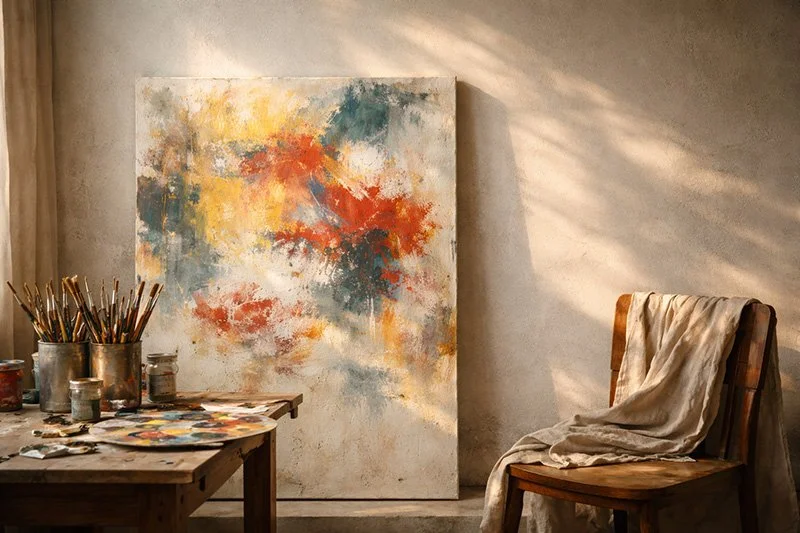
Honestly… it’s a bit of a joke.
You start looking into grants and residencies thinking you’ve finally found your moment. You’re ready, you’ve got something to say, something that actually feels real. Then you hit the eligibility section and there it is again, quietly sitting there like it’s completely normal. Ages 18 to 30. Sometimes under 35 if they’re feeling generous. And just like that, you’re out.
It makes you wonder, at what point did creativity get given an expiry date? When did the art world decide that imagination, expression, and depth peak somewhere between uni and your first proper job?
Because real life does not work like that.
Most people in their twenties are still figuring everything out. Who they are, what they like, what matters to them. That period is messy, uncertain, and necessary. But it’s not always where the most meaningful work comes from.
The system seems to think that’s the perfect moment to fund artists, when in reality, for a lot of people, the real substance comes later. After you’ve lived a bit. After you’ve been through things. After you’ve actually got a voice that isn’t borrowed or trying to fit in. And here’s the part that gets completely overlooked.
Some people don’t even find art until their forties or fifties. Life gets in the way. Work, bills, family, survival. Creativity gets pushed to the side because it has to. Then one day something shifts. You slow down, or you burn out, or you finally step away from the noise, and suddenly there it is.
Not as a hobby, but as something that feels essential. And when it shows up at that stage, it hits differently.
It’s not surface level. It’s not trying to impress anyone. It’s layered with memory, emotion, experience, things you can’t fake. It carries weight. It carries honesty. It carries everything you’ve been through without needing to explain itself.
What’s wild is that this isn’t even a controversial take. History backs it completely.
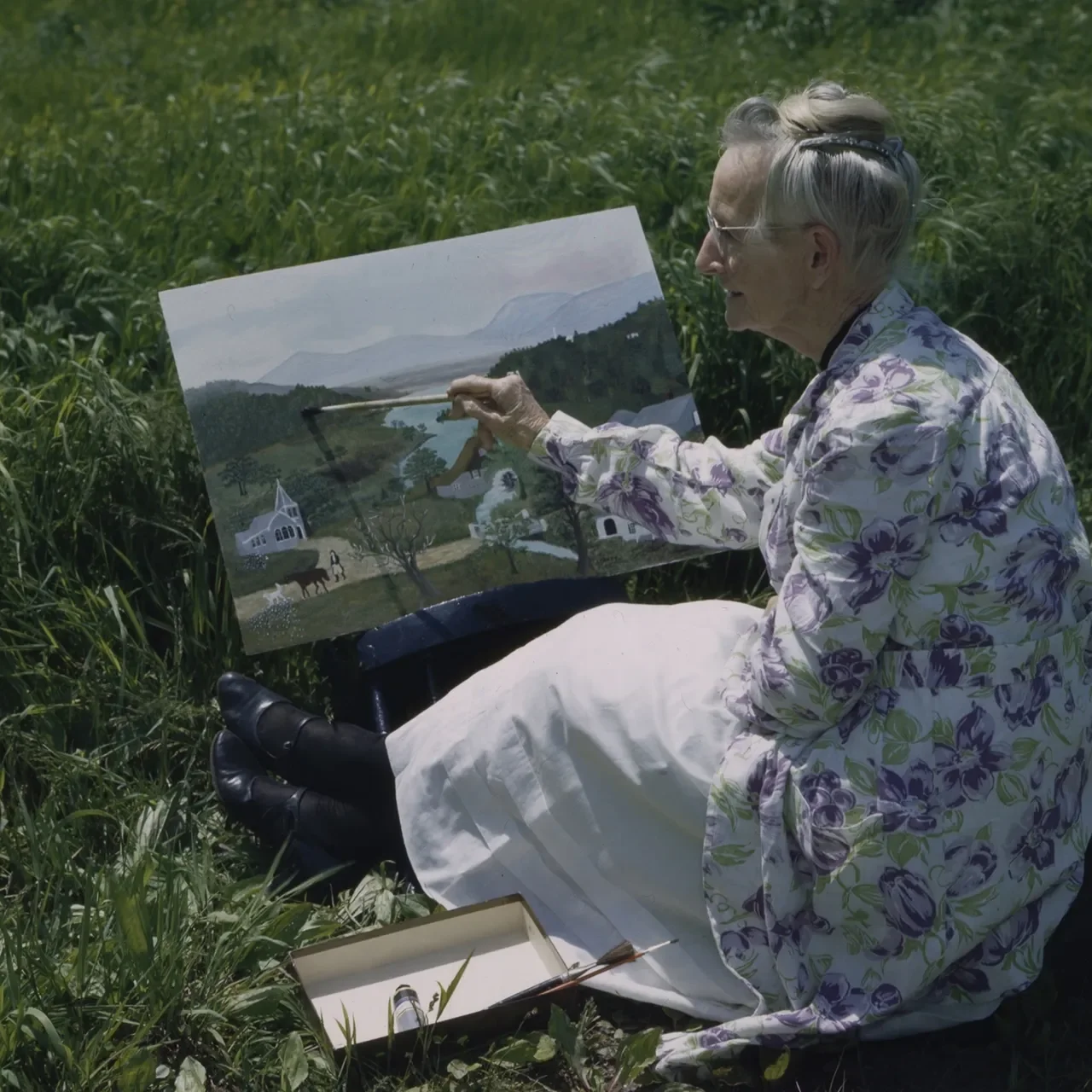
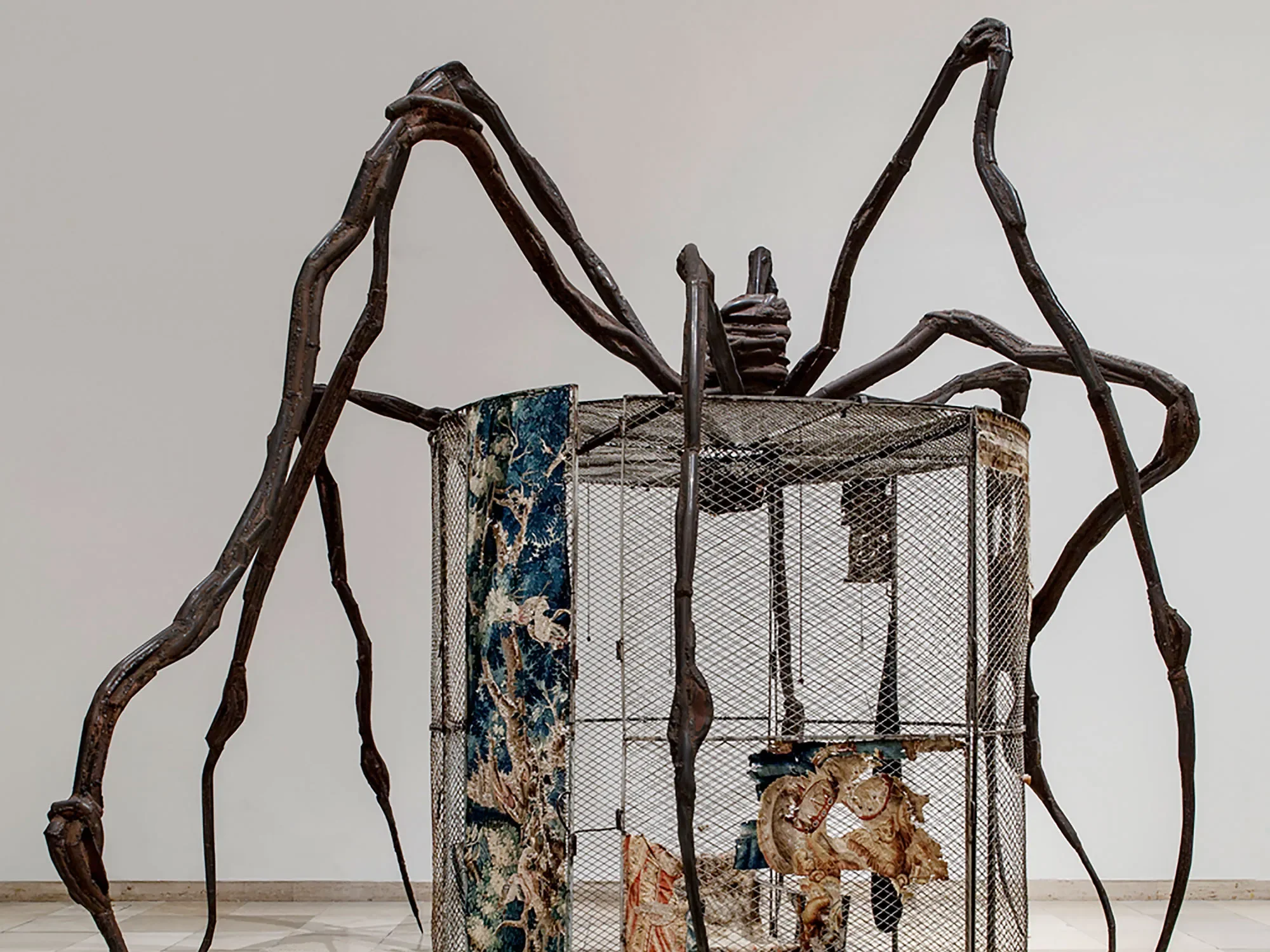
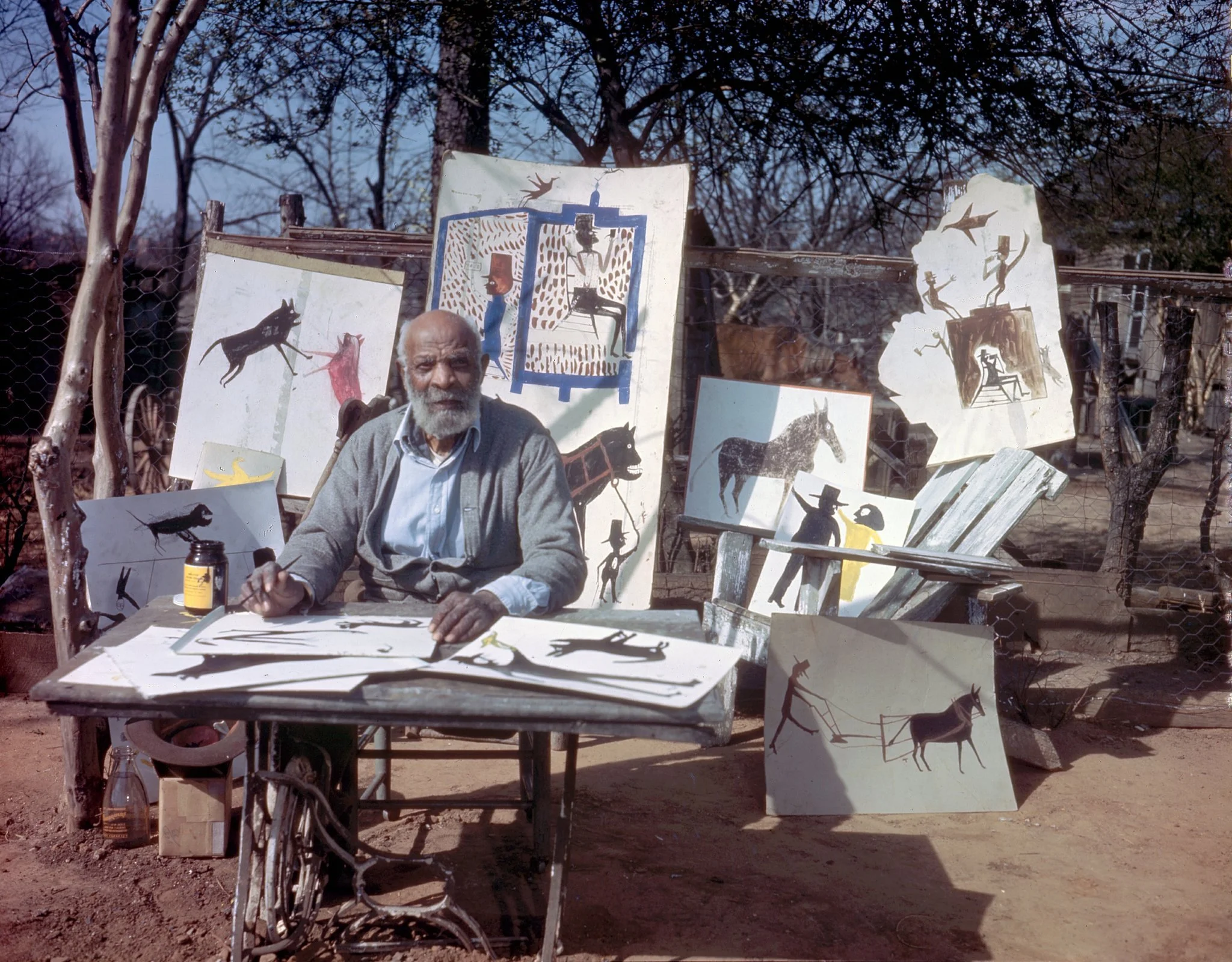
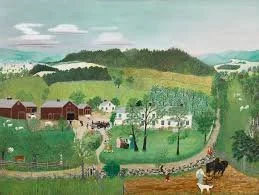
Grandma Moses didn’t start painting until her late seventies. Louise Bourgeois wasn’t fully recognised until much later in life. Carmen Herrera sold her first painting at eighty nine. Bill Traylor began drawing in his eighties. None of them were early twenty something “emerging artists” by today’s definitions, yet their work shaped conversations globally.
So clearly, creativity didn’t get the memo about age limits.
To be fair, organisations like Arts Council England do offer funding that is open to all ages, and there are platforms like a-n The Artists Information Company and Jerwood Arts trying to support artists more broadly. But across the wider landscape, the pattern is still there. “Emerging artist” has quietly become code for “young artist”, and that shift has excluded a huge group of people without anyone really calling it out.
Because emerging should mean new. New voice. New perspective. New presence. Not young. When you tie creativity to age, you end up sending a message, whether intentional or not. If you didn’t make it early, you missed your chance. And that message sticks. It stops people before they’ve even started. It makes them question whether it’s worth trying at all.
But that’s not how art works. Some of the strongest work comes from people who took a different route. People who paused. People who had to survive first and create later. That is not a disadvantage. That is depth. That is perspective. That is exactly what makes work resonate.
This is a big part of why Landson is built the way it is. No age brackets, no quiet exclusions, no invisible rules about when you’re supposed to start. Just the work, the story behind it, and whether it holds something real. It doesn’t matter if you’re twenty two and experimenting or fifty and starting again. You’re allowed to show up. Because art doesn’t judge. People do.
If anything, we’ve got it the wrong way round. The question shouldn’t be why older artists deserve funding. It should be why we’re ignoring people who have actually lived, felt, struggled, rebuilt, and come back with something honest in their hands.
If you’re sitting there thinking you’ve left it too late, you haven’t. You’ve just arrived at it differently. And maybe that’s exactly the point.
No timelines. Just truth.