
How Do You Verify the Authenticity of an Art Print and a Limited Edition Print?
In an art market where reproduction is effortless and originality is increasingly difficult to protect authenticity becomes the line that separates collecting from decoration.
An art print can look exceptional and still hold no lasting value. What gives a print weight is not its appearance but its legitimacy. Authenticity underpins scarcity provenance and confidence. Without it even the most visually compelling work becomes fragile as an asset. For collectors acquiring art with intention understanding how authenticity is verified is essential.
Why Authenticity Determines Value
Art is one of the few assets where origin defines worth. Two prints may appear identical yet carry radically different value depending on whether their legitimacy is documented and traceable. Without verified authenticity scarcity collapses provenance dissolves and resale potential disappears.
Authenticity protects the artist by preserving the integrity of their work. It protects the collector by ensuring what is acquired can withstand scrutiny over time. This is not about scepticism. It is about certainty.
Understanding Editions and What They Signal
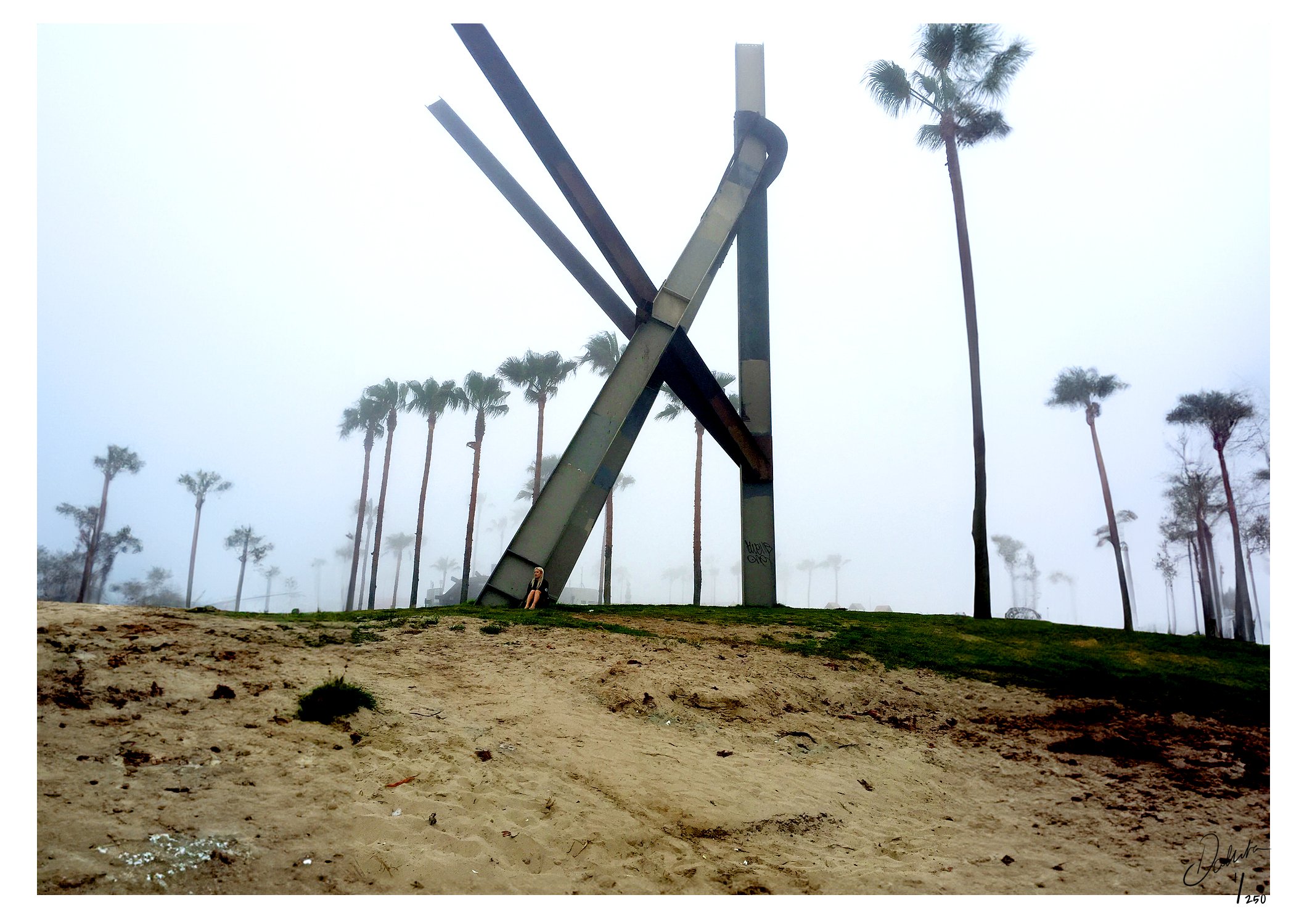
The first layer of verification is understanding whether a print is part of a defined edition. A legitimate edition will state clearly how many prints exist in total and where the individual work sits within that number. A print marked 14 of 50 means exactly fifty prints exist. Not fifty per size. Not fifty per colour. Fifty in total.
Limited edition prints require stricter control than open editions because value depends on fixed scarcity. If an edition size is unclear flexible or inconsistently described authenticity weakens immediately. True editions are closed systems. Once complete nothing changes.
Numbering and the Artists Involvement
In credible limited editions each print is typically hand numbered by the artist. This signals oversight intention and completion of the edition. Printed or digitally embedded numbers carry less authority because they do not demonstrate direct artist involvement. Hand numbering creates accountability and consistency across the edition.
The presence of a signature further strengthens authenticity. While not mandatory signatures often indicate that the artist has approved the final print and formally released it into the edition.
Consistency matters. Signatures and numbering should align across all examples of the edition.
The Certificate of Authenticity as a Core Document
A Certificate of Authenticity is not a formality. It is foundational. For both open and limited editions a credible certificate confirms the artist the artwork title the year of creation the edition size if applicable the individual print number and the method of production. The certificate must match the print exactly. Any discrepancy in title numbering or dates is a warning sign. Authenticity lives in alignment between object and documentation.
Who Issues the Authentication Matters
Not all certificates carry equal authority. The strongest authentication is issued directly by the artist or by an established gallery or publisher representing them. These entities maintain archives sales records and edition logs. Their names can be verified and their histories examined. Generic certificates without identifiable issuers contact details or traceable authority offer no real protection. Authenticity must be verifiable not symbolic.
Materials and Print Method Are Part of Verification
Verification does not stop with paperwork. Serious art prints are produced using archival pigment inks and museum grade acid free papers designed to preserve colour stability and structural integrity over time.
Limited edition prints printed on unknown papers or described vaguely were not produced with collectability in mind. Sellers who understand value are precise about materials because quality leaves evidence. The physical object should support the documentation not contradict it.
Verifying the Artist and Their Practice
Authenticity extends beyond the individual print to the wider context of the artist. A legitimate artist maintains a visible coherent practice. Their work appears consistently across platforms exhibitions or publications. Their editions are documented and controlled.
When an artist’s presence is fragmented anonymous or inconsistent authenticity becomes harder to defend regardless of how compelling the image may be. Collectors acquire practices not isolated objects.
When Clarity Is Missing Walk Away
Experienced collectors develop a simple rule. If clarity is missing value is compromised. Shifting narratives vague answers reluctance to provide documentation or pressure to rush a decision all signal weakness in authenticity. Authentic art does not rely on urgency. It holds up calmly under examination.
Authenticity as Confidence Not Suspicion
Verifying an art print is not about distrust. It is about respect. Respect for the artist and their discipline, respect for the work and its longevity and respect for your own standards as a collector.
When authenticity is clear ownership becomes confident value becomes defensible and collecting becomes intentional rather than speculative.
That is how serious collections are built.